The housing struggle is also rural

Without affordable housing and land outside the market, there can be no agroecological transition
The housing movement is experiencing a historic moment. Thousands of people have filled the streets of major cities and grassroots organisations are driving the first general strike in the Spanish state since 2012, on 11 November. We at Fundació Emprius give our full support to the mobilisations. At the same time, we want to highlight that speculation is also emptying rural areas, where second homes and tourism projects are driving up prices and pushing out those who want to live there year-round.
When the settled population leaves, the village becomes a backdrop with shutters closed during the week, schools with fewer pupils and services that vanish. A place to “rest”, not to live. And a village without local people stops producing food, stops managing the forest, stops caring for its own. It ceases to be a space for producing and sustaining life.
The eco-social transition we need — a degrowth transition — means refilling rural areas with people and agroecological projects: shepherds, cheesemakers, smallholders, food-processing co-operatives. None of these projects will take root if the person driving them can’t find affordable housing.
Cerdanya is probably the starkest example in our region. Pirineu Viu reports that some villages have over 80% second homes. A new house doesn’t fall below €300,000 in an area with Catalonia’s lowest wages. Young people are leaving because they can’t build a life project.
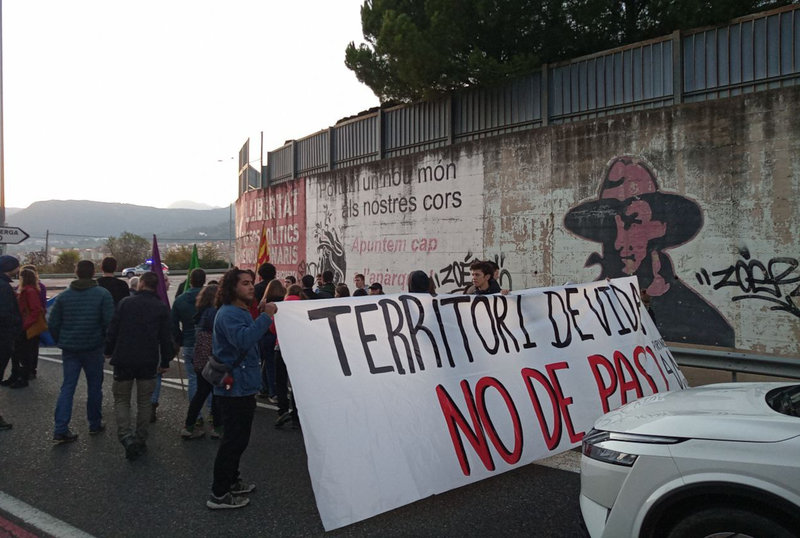
But the territory is organising. The Cerdanya Housing Union is pushing for new developments to be for residents at affordable prices. Confluence for a Sustainable Cerdanya proposes a moratorium on new building that isn’t social housing and aims to support housing co-operatives. Pirineu Viu has blocked the C-16 road under the banner “Territory for living, not passing through”. In Pallars Sobirà, the region’s first housing union was set up in 2023.
Beyond housing, financial capital has set its sights on farmland. In 2025, major investors moved around €1,200 million through agricultural business in Spain and Portugal, half of it in direct land purchases. COAG estimates that over 900 funds now own land across the peninsula worth more than €100,000 million. Land prices have risen 13.8% in four years. Whoever controls fertile soil controls life. We can’t allow financial capital to control these resources.
We need to pressure governments, limit second homes, halt tourism projects that drive out residents and protect farmland. But we also need to organise ourselves to take land and housing out of the speculative market and dedicate them to community and co-operative projects.
There are examples showing it’s possible. In France, Terre de Liens has been buying farms with savings from citizens for twenty years. Today over 23,000 people take part, and it has acquired more than 420 farms and 13,000 hectares where nearly 900 farmers have settled. That land is never sold again.
This is also what we do at Fundació Emprius. Every hectare and every house we take out of the market is a place where life projects can take root. We can’t do this alone. Become an Emprius member or make a donation — it’s tax-deductible. We look forward to seeing you on 28 November at the Sentit Comunal congress, third edition, at Núria Social in Olot, where we’ll discuss how to manage water, land, fire and air together.
Sources:
- Pirineu Viu’s C-16 blockade (NacióDigital, 2024)
- Housing collective in Cerdanya (Nius, 2022)
- Manifesto of Confluence for a Sustainable Cerdanya (2025)
- Housing union in Pallars Sobirà (ACN, 2023)
- Setcases and non-residential housing (El Ripollès, 2023)
- Platform for dignified work and housing (NacióDigital, 2026)
- Investment in farmland 2025 (ESdiario, 2026)
- Funds and land according to COAG (El Debate, 2025)
- Average farmland price (Farmlandgrab)
- Terre de Liens: farms, hectares and farmers settled (Banque des Territoires, 2026)
- Terre de Liens: number of shareholders (Rapport de gérance 2025)
You may also like

[Presentations and report] “Communal assets today” conference at the UB
Presentations with slides from the talks available here:

FESSrural 2026: 31 July and 1 August in the Solsonès
The 7th Festival of the Social and Solidarity Economy in rural Catalonia will take place on the last day of July and the first of August at El Miracle (Riner), in the Solsonès.
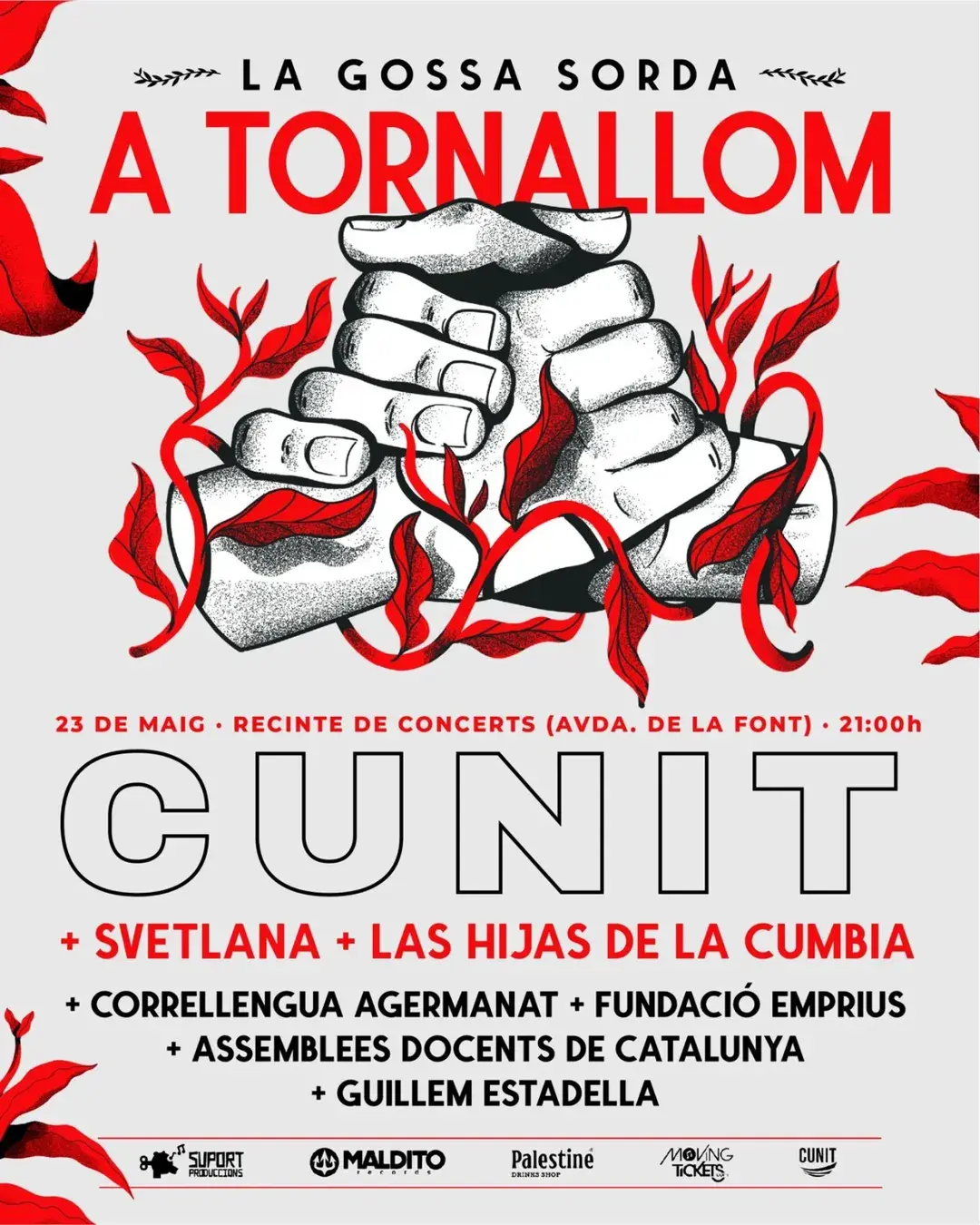
Emprius at the La Gossa Sorda concert
The Valencian band La Gossa Sorda, at their first double concert in Catalonia after 10 years without performing, gave a platform to different organisations…