

[Presentations and report] “Communal assets today” conference at the UB

Presentations with slides from the talks available here:
https://web.ub.edu/ca/web/facultat-dret/w/presentacions-del-seminari-%C2%ABels-b%C3%A9ns-comunals-en-l-actualitat%C2%BB-de-la-cl%C3%ADnica-jur%C3%ADdica-en-medi-ambient (opens in a new tab)
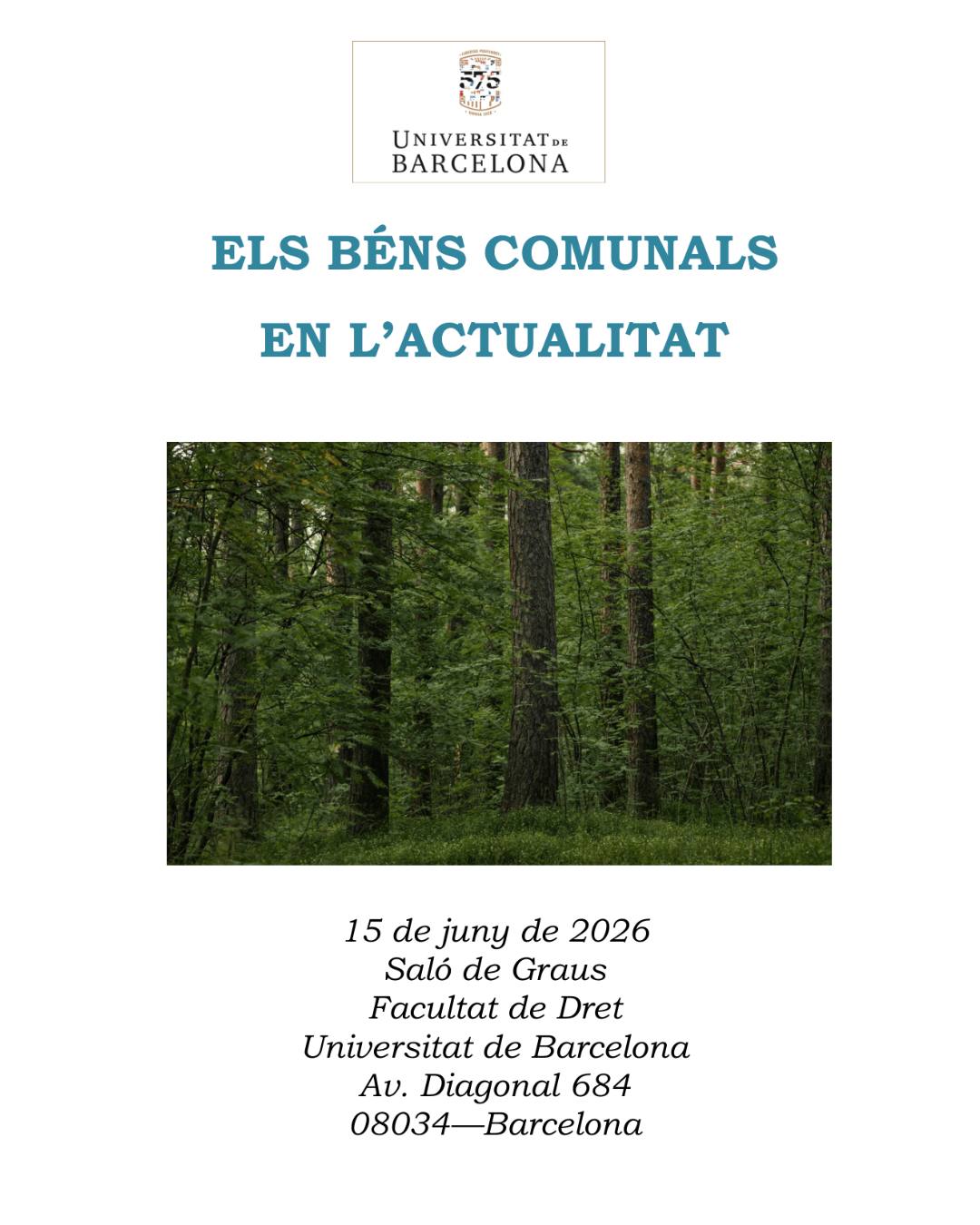
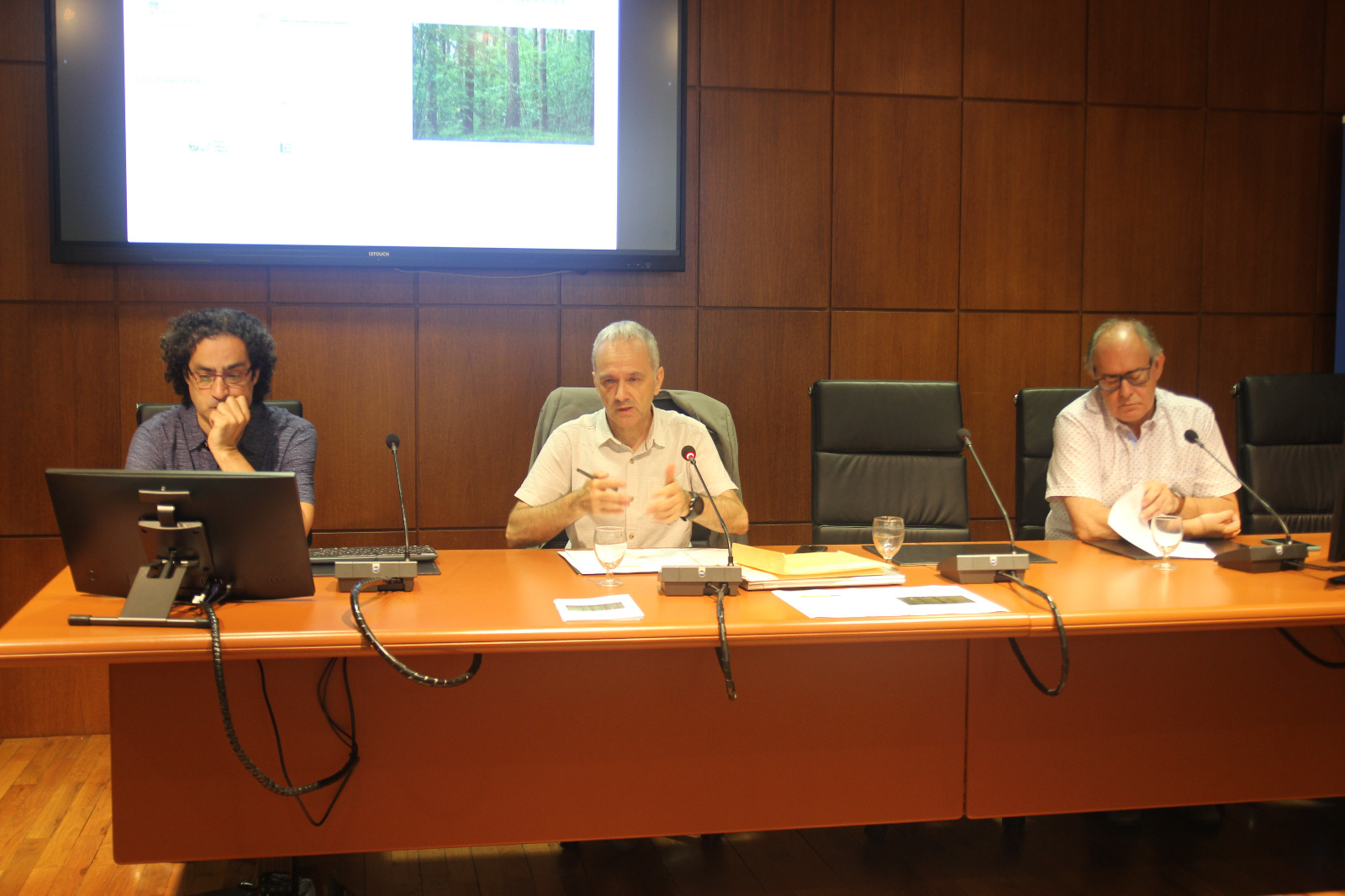
On 15 June, over 40 people attended the conference “Communal assets today”, filling the Grand Hall of the Faculty of Law at the University of Barcelona.
The conference was organised by the Environmental Law Clinic, coordinated by Àlex Peñalver i Cabré and the GOBCON research project, of which Vicenç Aguado i Cudolà is principal investigator. Fundació Emprius collaborated, particularly in promoting the event.
Attendees came from diverse backgrounds and different parts of the region, many from outside academic circles. There were many interesting contributions during the public discussion sessions following each presentation. Overall, it seems the topic generates significant interest and many people see it as important, despite the widespread lack of public awareness about it.
The talks were very enriching. It was a day when vast amounts of knowledge came together from different perspectives on a very complex, broad and multi-faceted theme.
Here we’ll briefly review, in partial form, some of the issues discussed.
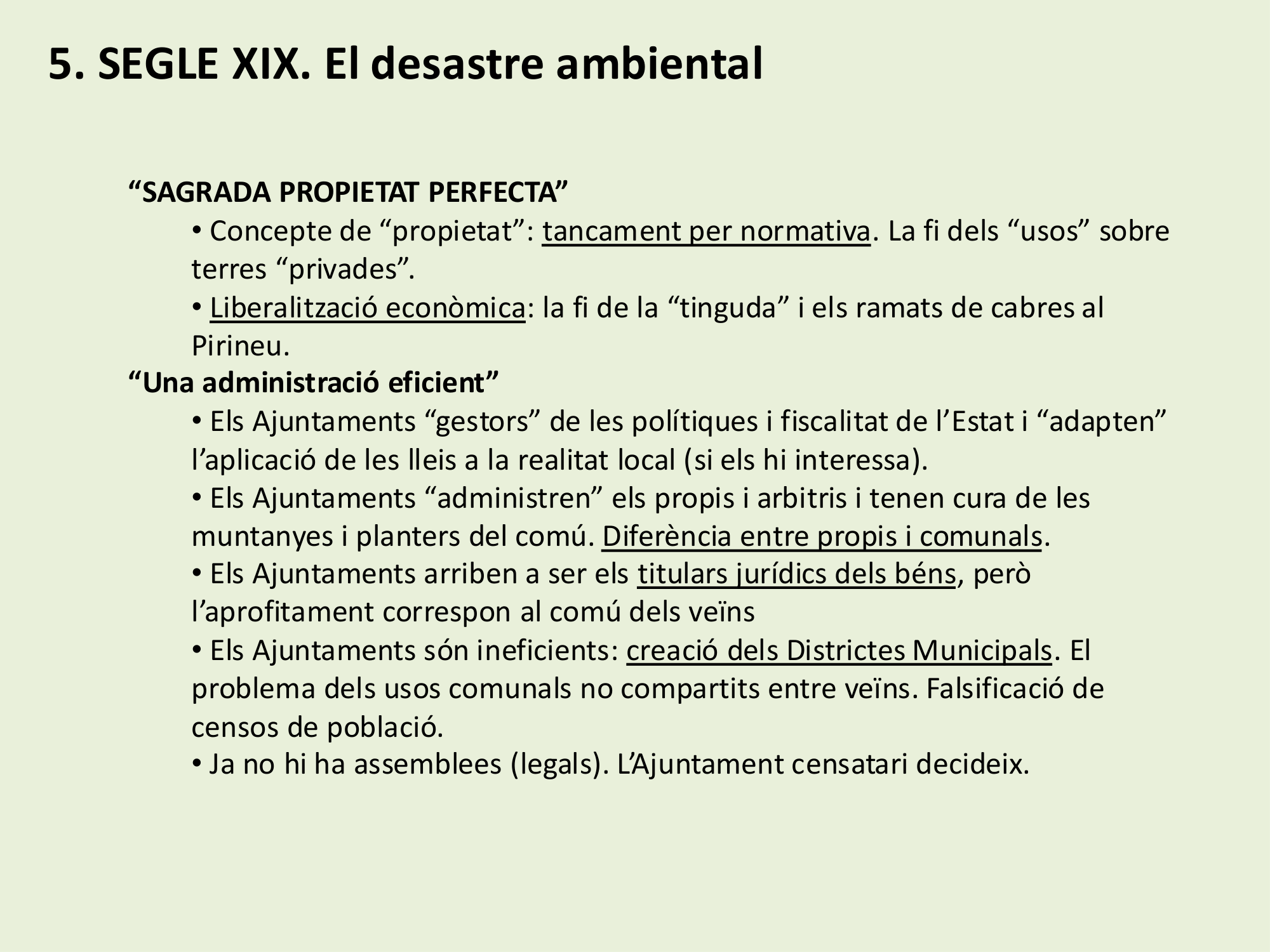
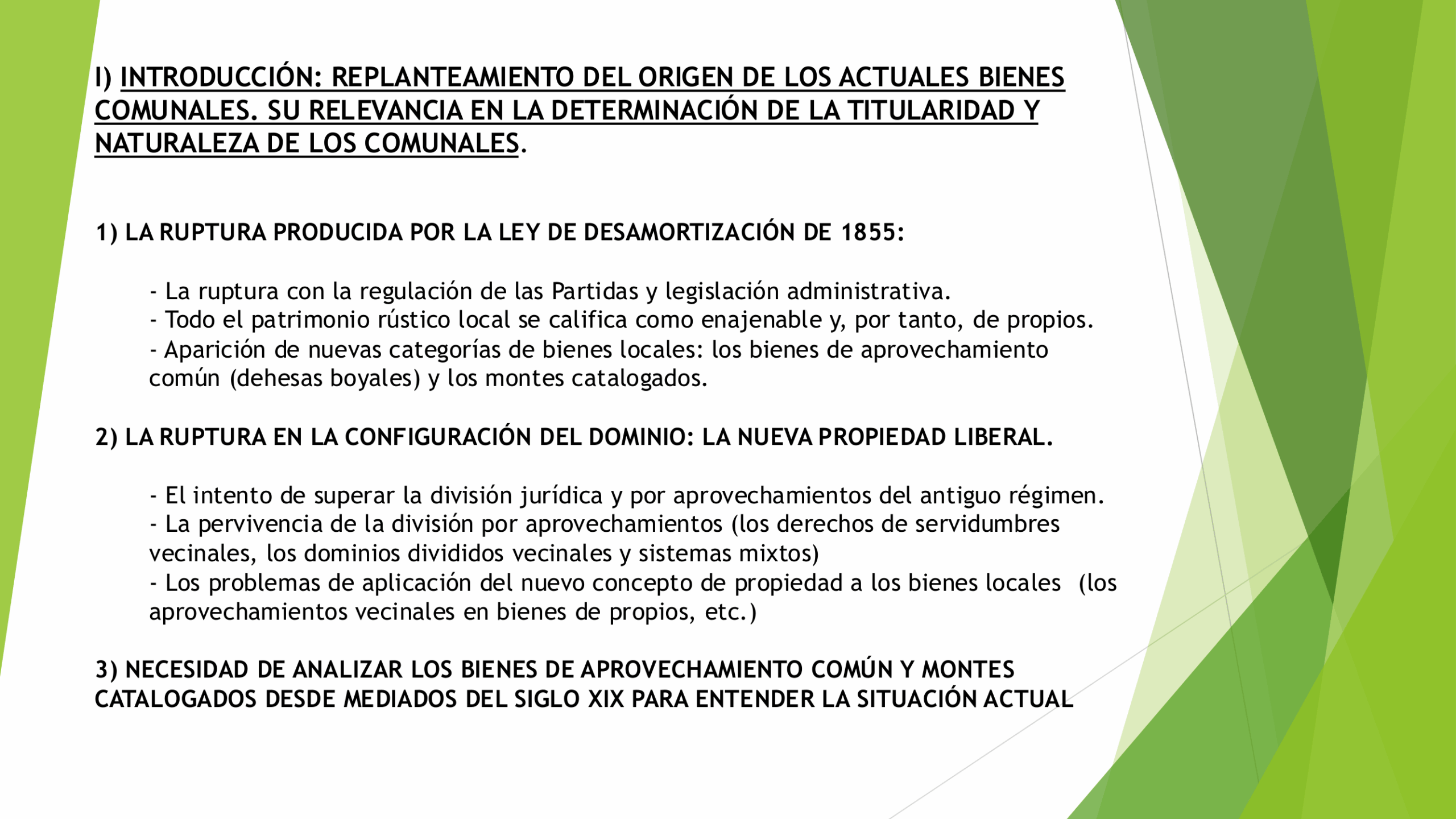
In the first session, “Origins, evolution and current situation of communal assets”, Jacinto Bonales Cortés, Doctor of History, gave a historical overview of communal assets in Catalonia, spanning the last 1,200 years and highlighting major differences between emphyteutic Catalonia, “New” Catalonia and allodial Catalonia (north-western). He introduced the significance of the new “sacred perfect property” of the liberal revolution, the centralism of the new state model and the environmental disaster this entailed, ending with some notes on the current situation. Ismael Vaccaro Ribo, anthropologist and CSIC researcher, explained approaches to property and communal management from the perspective of social use characteristics, contrasted and complementary to the legal-definition approach. He introduced us to property theory and collective action theory, giving examples from the commons of Pallars Sobirà and the Pyrenees, reviewing their trajectory over recent centuries and their current reality.
In the second session, “Nature, ownership and use of communal assets”, Eloy Colom Piazuelo, Associate Professor of Administrative Law, gave a thorough overview of the effects of the Disentailment Law — or Madoz Law (1855–1924) — and all associated subsequent legal actions which expropriated and sold off millions of hectares of the villages’ communal lands. The combination of the new liberal property institution and civil disentailment created a deep and radical break in society. Goods that were exempted from disentailment and remained mostly as “property for common use” in the new liberal reality were no longer the commons of the previous system. Vicenç Aguado i Cudolà, Professor of Administrative Law, discussed commons theory and community governance, and the contributions of Elinor Ostrom, who won the Nobel Prize in Economics for the study “Governing the Commons” — which refuted, based on the study of many cases, Hardin’s thesis about the supposed “tragedy of the commons”. Various ideas and resources were offered on promoting responsible and active social participation in managing collective resources, such as the “nudge” and “boost” approaches.
In the third session, “Requirements for communal assets and main obstacles to their recovery”, Eloy Colom Piazuelo gave detailed explanations of the legal nature of communal assets today, distinguishing three periods: before the 1889 Civil Code, after it, and after its amendment. He also addressed the legal status of communal assets and their conditions of inalienability, imprescriptibility and unattachability. Unfortunately, Miriam Anderson, Associate Professor of Civil Law who was giving another presentation in this session, was unable to attend the conference.
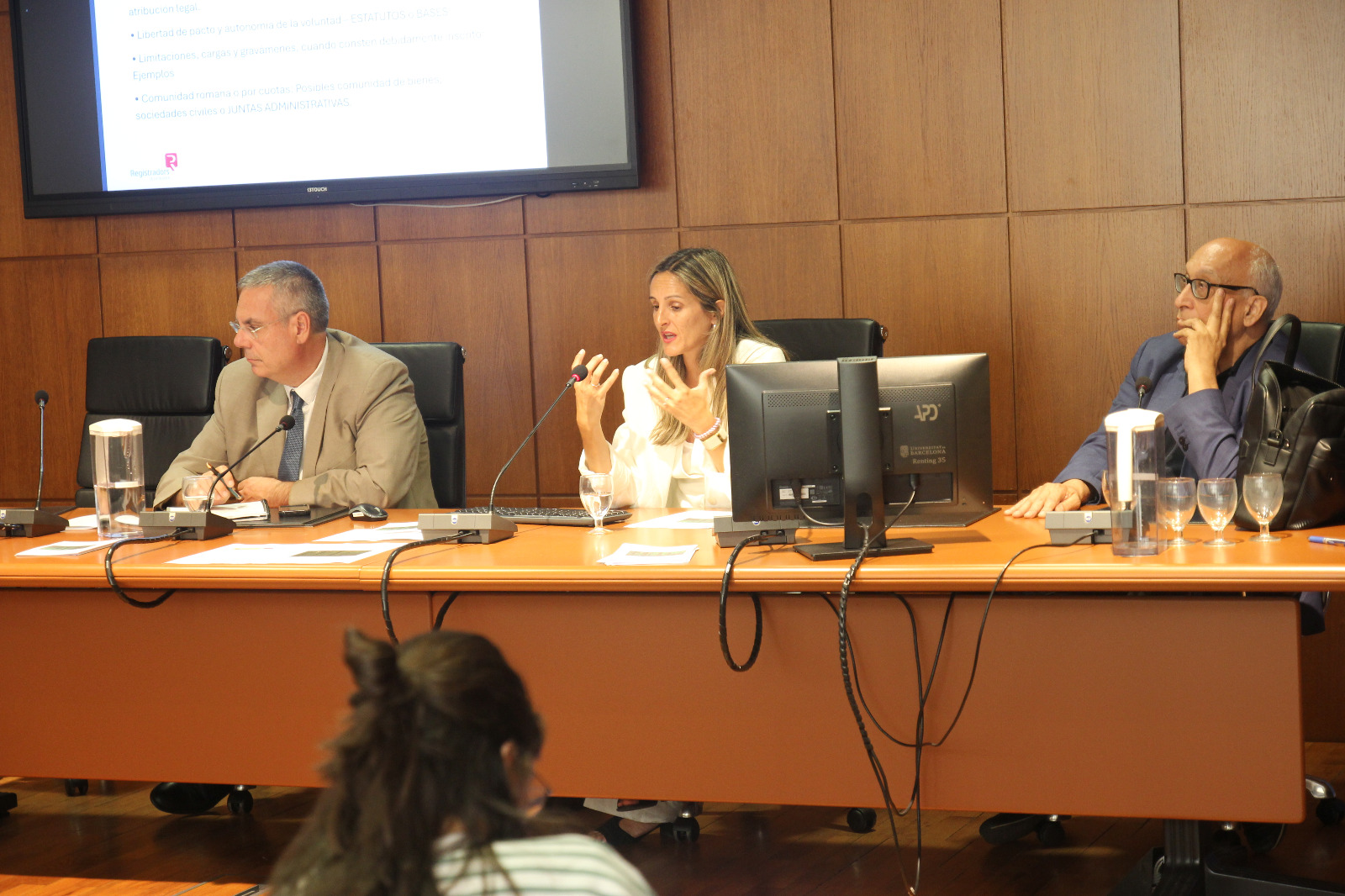
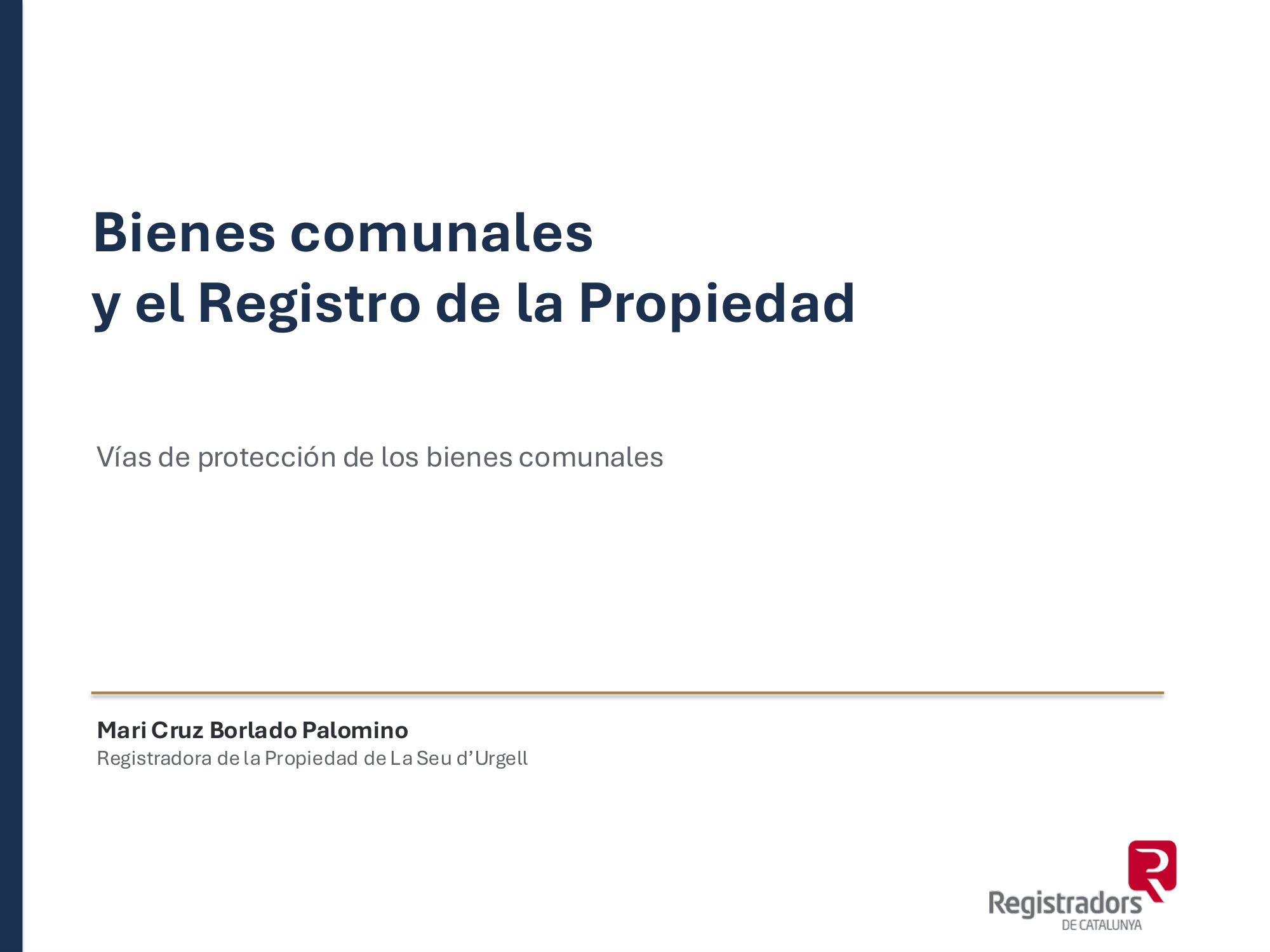
In the final session, “Ways to protect communal assets”, Mari Cruz Borlado Palomino, Land Registrar of la Seu d’Urgell, described the usual problems relating to current communal assets as well as the necessary procedures for registering or claiming revisions of ownership. She explained the difference between “typical” and “atypical” communal assets, the latter being civil partnerships with private ownership. Domènec Sibina i Tomàs, Associate Professor of Administrative Law, continued exploring the subject through specific cases — such as the Estremera forest — judgments and case law.
The conference programme can be downloaded here:
- Conference programme -
You may also like

The housing struggle is also rural
Without affordable housing and land outside the market, there can be no agroecological transition

28 November in Olot: the third Sentit Comunal congress
After the first edition in Vic and the second in Berga… we’re announcing the third edition of the Sentit Comunal congress!
Events this autumn
Screenings of the documentary “Fem cumó, un altre camí” are planned in Santa Margarida de Montbui (l’Anoia), Cànoves i Samalús (Vallès Oriental), Poble Nou…